Skip to content


Have you ever used a new skincare product only to find yourself dealing with dryness, irritation, or unexpected breakouts? Or wondered why a product that works beautifully for someone else seems to do nothing for your skin?
The answer often comes down to understanding how your skin works.
Healthy skin involves much more than finding the right cleanser or moisturizer. Skin is a complex organ, and everything from its protective barrier to the ingredients in your skincare products can influence its appearance and health.
For anyone considering a career in esthetics, understanding the science behind skincare is essential. It’s what allows professional estheticians to evaluate skin concerns, recommend appropriate products, and provide treatments tailored to individual needs.
At VKMD Institute of Medical Aesthetics in Colorado Springs, skin anatomy, product chemistry, and hands-on skin analysis are important parts of our esthetics education.
Whether you’re interested in becoming an esthetician or simply want to make better decisions about your own skincare routine, these five topics are a great place to start.
1. Understanding Your Skin Barrier: Damaged or Dehydrated?
Your skin barrier plays an important role in keeping your skin healthy, but many people don’t realize how easily it can become irritated.
What is the skin barrier?
The skin barrier is the outermost part of your skin, primarily a layer called the stratum corneum.
Think of it as a protective structure made up of skin cells and natural lipids. These include ceramides, cholesterol, and fatty acids that help hold everything together.
Its primary functions are to reduce water loss and protect the skin from environmental irritants.
When the barrier becomes compromised, the skin may struggle to retain moisture and become more sensitive to products or environmental conditions.
How can you tell if your skin barrier is damaged?
Common signs include:
- Redness or increased sensitivity
- Burning or stinging when applying skincare products
- Rough, flaky, or peeling skin
- Tightness that doesn’t improve with moisturizer
- Irritation after using products you’ve previously tolerated
Over-exfoliation, harsh cleansers, certain active ingredients, and environmental conditions can all contribute to skin barrier problems.
Dehydrated skin vs. damaged skin barrier
Although these conditions can have similar symptoms, they aren’t exactly the same.
Dehydrated skin lacks water. It can feel tight, look dull, and make fine lines more noticeable. Even people with oily skin can experience dehydration.
A damaged skin barrier involves disruption to the skin’s protective function. This may cause dryness, irritation, increased water loss, and sensitivity.
The two conditions can also occur together.
Colorado’s dry climate can make these issues especially noticeable. Low humidity and cold weather can increase moisture loss, making proper cleansing and moisturizing particularly important.
How do you repair a damaged skin barrier?
For mild irritation, the best approach often begins with simplifying your skincare routine.
- Switch to a gentle cleanser.
- Temporarily reduce exfoliating products and potentially irritating active ingredients.
- Use a moisturizer containing ceramides, glycerin, or other barrier-supporting ingredients.
- Avoid excessively hot water when washing your face.
- Wear broad-spectrum sunscreen with SPF 30 or higher.
Persistent burning, cracking, unexplained rashes, or significant inflammation should be evaluated by a qualified medical professional.
Why estheticians study this: Understanding skin anatomy and barrier function helps estheticians recognize when the skin may be too sensitive for certain cosmetic treatments and when a client should be referred to a medical provider.
At VKMD, students study skin histology and analysis as part of their foundational esthetics education, then apply that knowledge as they develop their practical skills.
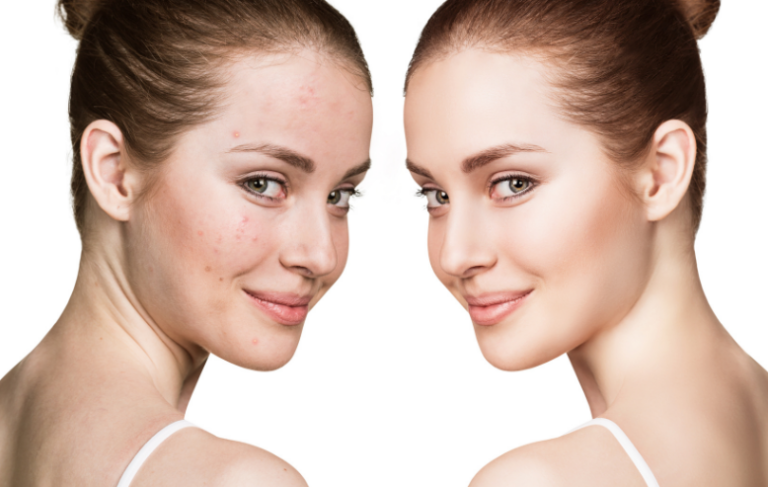
2. Skin Purging vs. Breakouts: What’s the Difference?
You’ve probably heard someone say that a new skincare product is making their skin “purge.”
But is that actually what’s happening?
Not every breakout caused by a new product is skin purging, and knowing the difference can prevent unnecessary irritation.
What is skin purging?
Skin purging is a term used to describe a temporary increase in visible blemishes after starting certain products that affect skin cell turnover or the development of clogged pores.
Retinoids, for example, help prevent pores from becoming clogged and can bring existing acne lesions to the surface during the early stages of treatment.
However, purging isn’t a medically established explanation for every breakout that happens after introducing a new product.
Signs that a breakout may be related to purging
A temporary flare may be more consistent with purging when:
- You’ve recently introduced a retinoid or certain acne treatments.
- Blemishes appear in areas where you normally experience acne.
- The breakout occurs early in treatment and gradually begins improving.
Acne treatments can take several weeks or longer to produce noticeable improvements.
How can you tell if a skincare product is causing a bad reaction?
A product may be irritating your skin or contributing to breakouts when you experience:
- Blemishes in areas where you don’t typically break out
- Burning, itching, or swelling
- A rash or unusual redness
- Irritation that gets worse with continued use
- Persistent breakouts without improvement
Some products can also contribute to clogged pores, especially when their formulation isn’t appropriate for your skin type.
Should you stop using a product if your skin breaks out?
It depends on the symptoms and the product.
Significant burning, swelling, itching, or a rash is a reason to stop the suspected product and seek appropriate medical advice. These symptoms shouldn’t be dismissed as normal purging.
If you’re experiencing a mild acne flare while following an established treatment plan, consult the professional managing your care before making changes.
Why estheticians study this: Estheticians need to understand common skin reactions, recognize treatment limitations, and communicate realistic expectations to clients.
An important part of professional skincare is knowing when to recommend a routine adjustment and when to refer a client to a dermatologist.
3. Skincare Ingredient Science: Retinoids, Vitamin C, Niacinamide, and Hyaluronic Acid
Walk into almost any skincare store and you’ll find dozens of products claiming to hydrate, brighten, smooth, or improve your skin.
But what do the ingredients actually do?
For future estheticians, understanding ingredient chemistry is an essential part of choosing products and developing appropriate skincare recommendations.
Let’s look at four commonly used ingredients.
Retinoids: Supporting skin renewal
Retinoids are derivatives of vitamin A that influence skin cell development and turnover.
They’re commonly used to address acne, fine lines, uneven skin texture, and certain pigmentation concerns.
Some retinoids can also stimulate collagen production over time.
Retinol is a type of retinoid frequently found in nonprescription skincare products, while other retinoids, such as tretinoin, are available by prescription.
Best suited for: Acne, uneven texture, fine lines, and some forms of hyperpigmentation.
Important to know: Retinoids can cause dryness, irritation, and peeling, particularly when first introduced. They should be introduced gradually with appropriate guidance and generally avoided during pregnancy.
Vitamin C: Antioxidant protection and a more even skin tone
Vitamin C is an antioxidant that helps protect the skin from oxidative damage.
It also contributes to collagen production and can help improve the appearance of uneven pigmentation.
Not all vitamin C products work the same way. The concentration, formulation, stability, and packaging can influence how effective a product is.
Best suited for: Dull skin, uneven skin tone, and the appearance of sun damage.
Important to know: Vitamin C can complement a sun protection routine, but it doesn’t replace sunscreen.
Niacinamide: Supporting the skin barrier
Niacinamide, a form of vitamin B3, is found in many moisturizers, serums, and treatments.
It can help support the skin barrier, improve moisture retention, and reduce the appearance of redness and uneven skin tone.
Some formulations may also help improve the appearance of excess oil.
Best suited for: Barrier support, uneven skin tone, and oily or sensitive skin.
Important to know: Higher concentrations don’t necessarily produce better results. Some people tolerate lower concentrations more comfortably.
Hyaluronic Acid: Improving hydration
Hyaluronic acid is a humectant, meaning it binds water.
It’s naturally found in the skin and helps maintain hydration.
When included in a skincare product, hyaluronic acid can help temporarily improve moisture levels and reduce the appearance of fine lines associated with dehydration.
Best suited for: Dehydrated skin and maintaining hydration.
Important to know: Despite its name, hyaluronic acid isn’t an exfoliating acid like glycolic or salicylic acid.
Can you use these skincare ingredients together?
In many cases, yes.
For example, vitamin C may be used in the morning, while a retinoid may be applied at night. Niacinamide and hyaluronic acid are also compatible with many skincare routines.
However, compatibility depends on the formulation, strength, and individual’s skin tolerance.
Using too many active ingredients at once can lead to irritation rather than better results.
Why estheticians study this: Learning how ingredients work helps estheticians make informed product recommendations instead of relying on packaging claims or social media trends.
VKMD’s esthetics curriculum incorporates product chemistry, skin analysis, and professional skincare knowledge to help students understand both the science and practical application of the products they’ll encounter in their careers.
4. Skincare Layering: Does the Order of Your Products Matter?
Having effective products is only part of a good skincare routine. Knowing how and when to use them is just as important.
Fortunately, a routine doesn’t need 10 different steps to be effective.
What is the correct order for morning skincare?
For most people, a simple morning routine includes:
Step 1: Cleanser
Gently cleanse the skin to remove excess oil, sweat, and buildup.
Step 2: Serum or targeted treatment
Apply products intended to address specific concerns. This may include vitamin C, niacinamide, or hydrating ingredients.
Step 3: Moisturizer
Help maintain hydration and support the skin barrier.
Step 4: Sunscreen
Finish with broad-spectrum SPF 30 or higher. Reapply as directed, especially when spending time outdoors.
What is the correct order for nighttime skincare?
A typical evening routine includes:
Step 1: Cleanser
Remove makeup, sunscreen, oil, and other residue.
Step 2: Treatment
Apply a nighttime treatment, such as a retinoid, if appropriate for your skin.
Step 3: Moisturizer
Help replenish hydration and support the skin barrier.
Some individuals benefit from applying moisturizer before a retinoid to reduce irritation. Always follow the instructions for the specific product or prescribed treatment.
Should skincare always be applied from thinnest to thickest?
This is a popular guideline, but it isn’t a universal rule.
Some active ingredients require specific application methods, and sensitive skin may benefit from a different approach.
What matters most is using products correctly, avoiding unnecessary irritation, and maintaining a routine you can follow consistently.
Why estheticians study this: Product selection and home-care recommendations are important parts of the client experience.
Professional estheticians help clients understand how to maintain their skin between appointments and how to avoid product combinations that may cause irritation.
At VKMD, developing the ability to educate clients is part of preparing students for professional esthetics work.
5. The Gut-Skin Connection: How Internal Health Can Affect Your Skin
Skincare products and professional treatments can address many concerns, but skin health is also influenced by what’s happening inside the body.
Hormones, stress, sleep, genetics, nutrition, and certain medical conditions can all affect the appearance and behavior of the skin.
Researchers are also studying the relationship between the gut microbiome and inflammatory skin conditions.
What is the gut-skin connection?
The gut-skin axis describes the relationship researchers are exploring between intestinal microorganisms, immune responses, inflammation, and skin health.
The digestive system contains a complex community of bacteria and other microorganisms that interact with the immune system.
Researchers believe these interactions may play a role in certain inflammatory skin conditions, but the science is still developing.
Can your diet affect acne?
For some people, yes.
Research suggests that diets containing large amounts of high-glycemic foods may contribute to acne in certain individuals.
Some studies have also identified an association between cow’s milk consumption and acne, although the evidence doesn’t establish that milk causes acne for everyone.
It’s important to remember that acne has multiple contributing factors, including hormones, genetics, sebum production, and inflammation.
Eliminating entire food groups without professional guidance isn’t necessarily an effective solution.
Can probiotics improve skin health?
Researchers are studying whether probiotics and other approaches that influence the microbiome could help manage certain skin conditions.
Although some results are promising, there isn’t enough evidence to recommend a single probiotic supplement as a reliable treatment for acne or other skin conditions.
When should you see an esthetician, dermatologist, or nutrition professional?
Different professionals address different aspects of skin health.
An esthetician can help with cosmetic skin analysis, skincare routines, product recommendations, and appropriate professional esthetics treatments.
A dermatologist or qualified medical provider can diagnose and treat acne and other medical skin conditions, including persistent rashes and significant inflammation.
A registered dietitian can help evaluate nutrition-related concerns and develop appropriate dietary recommendations.
Recognizing these professional boundaries is an important part of responsible skincare.
Why estheticians study this: Effective estheticians understand that skin concerns can have multiple contributing factors. They also recognize the limits of their scope of practice and when a referral is appropriate.
From Skincare Knowledge to Professional Esthetics
Understanding these five topics is useful for anyone interested in healthier skin. But for someone considering a career in esthetics, they’re also an introduction to the knowledge professional skincare specialists use every day.
Learning to analyze skin, understand ingredient formulations, select appropriate treatments, and communicate with clients requires both classroom instruction and hands-on experience.
At VKMD Institute of Medical Aesthetics in Colorado Springs, our 600-Hour General Esthetics Program introduces students to the fundamentals of skin anatomy, physiology, skincare science, facials, hair removal, sanitation, and professional client care.
Students also gain practical experience working with real clients under instructor supervision in our Student Spa, helping them connect what they learn in the classroom with the skills they’ll need in a professional setting.
For those interested in pursuing additional expertise, VKMD also offers advanced esthetics education to help licensed professionals build upon their foundational knowledge.
Interested in becoming an esthetician?
If you enjoy learning about skincare, helping people feel confident, and understanding the science behind professional treatments, a career in esthetics may be worth exploring.
Discover what you’ll learn in VKMD’s 600-Hour General Esthetics Program, explore advanced training opportunities, or schedule a school tour to see our classrooms and student treatment areas firsthand.
Want to experience professional skincare without paying traditional spa prices?
VKMD also welcomes clients to our Student Spa in Colorado Springs.
Under the supervision of licensed professionals, students provide a variety of services, including European facials, advanced acne facials, body treatments, waxing, and lash and brow services.
Booking an appointment gives you access to affordable skincare services while helping future estheticians develop their professional skills.
Explore VKMD Institute of Medical Aesthetics
- Learn about our 600-Hour General Esthetics Program.
- Schedule a tour and explore your future career.
- View Student Spa services and book an appointment.
Located in Colorado Springs, Colorado.
Call (719) 988-3141 to learn more about our programs or student services.